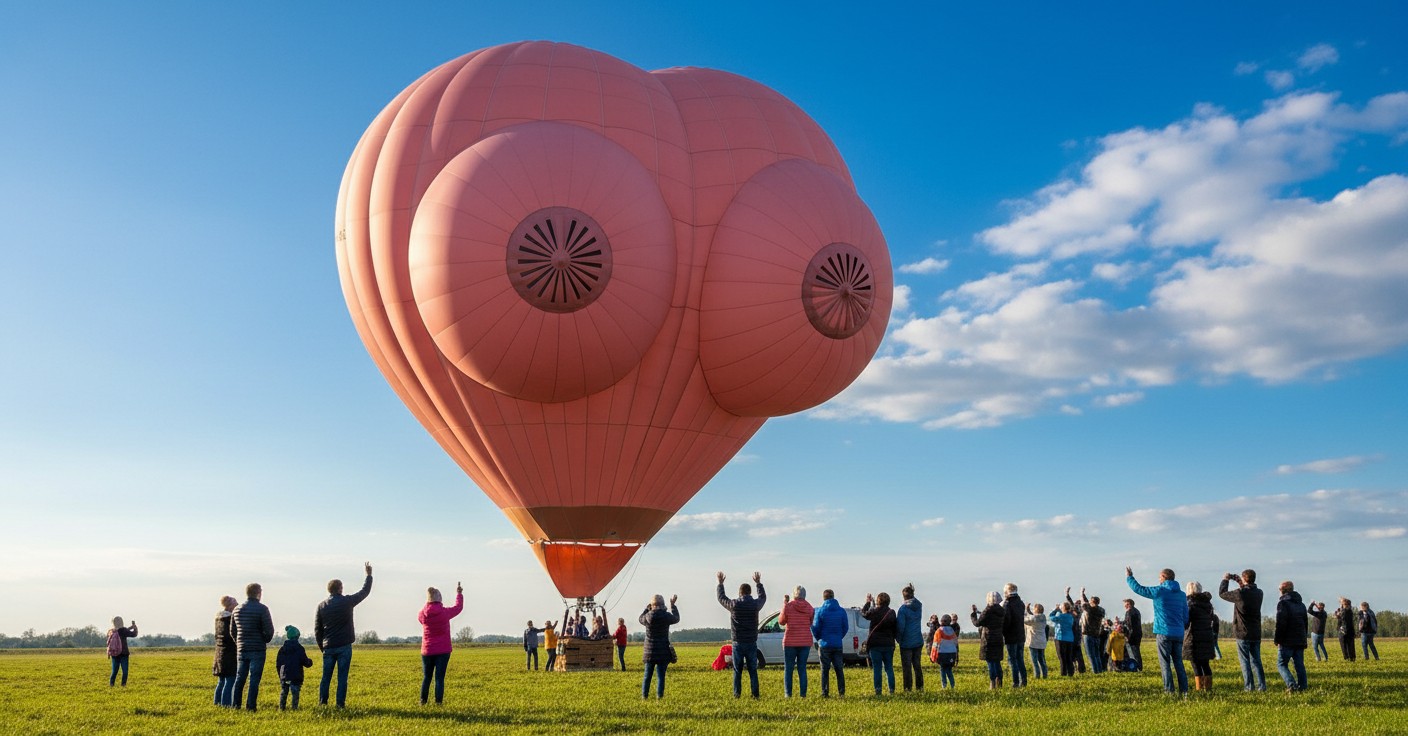
Nano Banana is one of the latest AI-powered image generation and editing tools, developed by Google and integrated with its Gemini AI models. It lets you describe what you want—in natural language—and instantly turns those prompts into detailed photorealistic images. You can also upload images and use text to edit them, change backgrounds, add objects, adjust lighting, and even generate coherent sequences of images for storytelling or marketing visuals.
The Pro version, often called Nano Banana Pro, is built on the more advanced Gemini 3 Pro Image model. It’s designed for higher-quality output, better text rendering in images, real-world grounding, higher resolution (including 2K/4K), improved consistency across multiple scenes or reference images, and more precise control—ideal for professional designers, advertisers, and content creators.
Why Is Nano Banana Pro Suddenly Blocking Non-NSFW Prompts?
Recently, many users have noticed that Nano Banana Pro is rejecting prompts that aren’t sexually explicit or unsafe, especially in categories like e-commerce fashion (e.g., underwear product shots) or “mature” imagery that’s clearly not NSFW. In these cases, instead of generating the desired image, the tool returns an image safety error, claiming the content is disallowed even though it isn’t explicit.
🛑 What’s Likely Going On
Here are the most plausible reasons based on community reports and what we know about how image models are moderated:
1. Stricter Safety Filtering
Nano Banana Pro uses content safety checks to prevent harmful, explicit, or unethical images from being created. These filters are designed to err on the side of caution — and in some cases they can be overly broad or misinterpret prompts as violating safety policies.
That means even legitimate, non-explicit prompts can get flagged, especially if they contain words like “underwear,” “lingerie,” “mature,” or similar terms without context.
2. Policy Adjustments
AI companies often update their safety rules to reduce risk, comply with regulations, or protect brands from unauthorized representations. Some updates can tighten what the model considers unsafe — sometimes unintentionally blocking benign use cases until the filter is refined.
3. Ambiguous Safety Decisions
Some research and user feedback shows that image models sometimes misjudge benign content as unsafe due to ambiguous associations in the training data. Untagged words or patterns that the filter doesn’t fully understand can trigger blocks — even with no explicit content.
So while the error says “IMAGE_SAFETY”, that doesn’t necessarily mean the prompt was genuinely unsafe — it could be a false positive from the safety system.
🧠 The Bigger Picture
This isn’t unique to Nano Banana Pro. Most advanced AI image tools (including competitors) use safety filters that sometimes block harmless content. Moderation systems are trained on vast datasets and can be imperfect, especially with edge-case prompts or new terms not clearly categorized yet. As a result:
- Some prompts get blocked even though they’re safe.
- Some genuinely unsafe content gets through if the filter misses it.
- Models are constantly updated to fine-tune their defenses and reduce false positives.
That means users may see temporary overblocking until policies and safety engines are improved.
📌 What This Means for Creators
If you’re trying to generate non-explicit images and getting blocked:
✨ Try rephrasing your prompt with more context or clarity.
✨ Avoid ambiguous descriptors that might trigger safety heuristics.
✨ Use detailed, descriptive language about the scene rather than standalone product terms.
Until Google and the moderation team adjust filters, some harmless prompts may still be falsely blocked — but this is a known limitation as moderation systems get stricter.
Leave a Reply